

Complementary and alternative therapies during pregnancy
9-minute read
Key facts
- Complementary and alternative therapies are used alongside or instead of conventional (regular) medical treatments.
- There are many different complementary and alternative therapies such as massage, acupuncture and naturopathy.
- These may help manage issues including morning sickness, labour preparation and lower back pain.
- Some can be helpful, but the safety and effectiveness of many complementary therapies are not well-established.
- Talk to your doctor or midwife before starting any complementary or alternative therapies to check if they are safe and appropriate for you.
What are complementary and alternative therapies?
Complementary therapies are treatments used alongside standard medical care to support wellbeing. Alternative therapies are treatments used instead of standard medical care, rather than alongside it.
Some of these treatments have proven benefits for your body and mind, but they are not part of the regular care that your doctor or midwife provides.
Alternative therapies can include:
Not all of these therapies have been proven to help. They may also be harmful if they delay or get in the way of necessary treatments.
When conventional (regular) medicine is combined with complementary therapies that have been proven to help, this is called integrative medicine. Integrative medicine is focused on lifestyle changes and provides care that puts the patient first.
Why do some people use complementary therapies during pregnancy?
There is a trend to use complementary therapies to manage common complaints and issues during pregnancy, labour and birth such as:
- symptoms of nausea, vomiting and lower back pain
- haemorrhoids
- difficulties sleeping
- preparing for labour
- relaxation and stress management
- managing pain during labour
Is complementary therapy right for me?
Check with your doctor or midwife about the safety and effectiveness of any complementary therapy and ask if they recommend you try it. You can also ask your doctor or midwife for recommendations of complementary and alternative health practitioners.
If you want to try specific therapies, your doctor or midwife can help you to understand the benefits and risks involved.
What questions should I ask complementary health practitioners?
Before you take advice from a complementary health practitioner, there are some questions you might like to ask:
- What are your qualifications? How long have you been practising?
- How does this treatment work? Is there evidence this treatment is effective?
- Is this treatment safe during different stages of pregnancy? Are there changes that must be made to make it safe?
- What risks or side effects are involved?
- How long should this treatment be used for? How will I know if it is working?
- What are the costs of the treatment? Can I claim the cost on Medicare or from my private health insurance?
When choosing an alternative or complementary health practitioner:
- Ask your doctor or midwife for a referral or recommendation.
- Check the Australian Health Practitioner Regulation Agency (AHPRA) website to make sure the therapist is registered.
- Check other national boards or associations of complementary medicine to see if your therapist is registered.
Do not use their services if you do not feel comfortable with their answers.
What types of complementary and alternative therapies are there?
There are many types of complementary and alternative therapies available during pregnancy. Some have a strong evidence base, while others have less evidence.
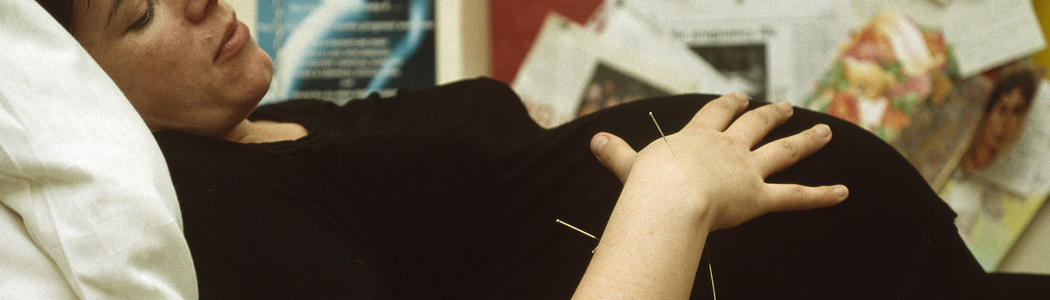
Acupuncture
There is some evidence that acupuncture during pregnancy and birth might help reduce:
- nausea during pregnancy
- back and pelvic pain during pregnancy
- labour pain
If used appropriately, very few adverse (unwanted) events or side effects are associated with acupuncture. Mild pain or bruising from the needles is the most common side effect.
Only a trained person should perform acupuncture. Not all hospitals have an acupuncture therapist on staff, so you may need to discuss arranging your own practitioner.
Chiropractic therapy
There is limited evidence regarding the safety of chiropractic therapy in pregnancy. There are reports of negative effects after spinal manipulation. Before starting any treatment, your therapist will assess you to make sure it is safe to perform any manipulations.
There is some evidence that chiropractic therapy during pregnancy might reduce lower back and pelvic pain.
Check with your doctor or midwife before making an appointment to see a chiropractor during pregnancy.
Relaxation massage
There is some evidence that massage may have positive effects during pregnancy, including:
- reducing stress
- reducing symptoms of anxiety and depression
- reducing leg and back pain
- improving sleep
During labour, massage may help you manage labour pain.
Your massage therapist will take extra care to keep you safe:
- If you have a massage while pregnant, the therapist will usually avoid massaging your abdomen (tummy) directly.
- If you have a massage while you are lying down, it is best to be positioned on your side rather than on your front or flat on your back. Lying flat on your back from about 28 weeks of pregnancy can cause your uterus to put pressure on the large vein that runs from your legs to your heart. This can reduce blood flow to the placenta.
- They will be very gentle when massaging your legs because you have a higher chance of developing a blood clot when you are pregnant.
Reflexology
There is limited research regarding the safety and health benefits of reflexology during pregnancy. There are some studies that show that reflexology is probably effective and safe for:
- labour pain
- duration of labour
- anxiety in pregnancy
Strong supportive evidence is not yet available. Ask your doctor or midwife before having reflexology during pregnancy.
Naturopathy
There is limited research regarding the safety and any benefits of naturopathy during pregnancy. Ask your doctor or midwife before using naturopathy during pregnancy.
Hypnotherapy (hypnosis)
There is limited research on the benefits of hypnotherapy during pregnancy. It may help with managing pain during birth.
You can safely practice hypnotherapy during pregnancy and birth, but more research is needed to fully understand if there are benefits.
Biofeedback training
Biofeedback training aims to help you recognise body signals such as heart rate or tense muscles. This helps you to concentrate on what your body is feeling. This may help you adjust your physical responses during labour.
There is limited high-quality evidence to prove this is helpful for reducing labour pain.
Chinese medicine
Chinese medicine uses many techniques including acupuncture, Tai Chi, Qi Gong, dietary therapy, Tuina massage and Chinese herbal medicine.
There is limited research regarding the safety and any benefits of Chinese herbal medicine during pregnancy.
Ask your doctor or midwife before using Chinese medicine practices during pregnancy.
Osteopathy
There is some evidence that osteopathic manipulations during pregnancy might reduce back pain.
There is limited evidence regarding the safety of osteopathy in pregnancy. Your therapist will assess you to make sure it is safe to perform any manipulations.
Transcutaneous electrical nerve stimulation (TENS)
TENS uses small electric pulses to help relieve pain in pregnancy. TENS therapy is considered safe in all 3 trimesters of pregnancy.
What types of alternative medicines or supplements might I consider taking during pregnancy?
Certain vitamin and mineral supplements are recommended by health professionals during pregnancy. Depending on your situation, these may include:
If you are interested in taking vitamins, minerals or herbal supplements during pregnancy, discuss them with your doctor or midwife first. Some vitamin and mineral supplements are important for your and your baby's health, but others can be harmful to take during pregnancy.
Herbs
Herbal preparations commonly taken during pregnancy, often in the form of herbal teas, include:
- raspberry leaf — usually taken during the last trimester to prepare the body for birth
- peppermint — to help with nausea
- chamomile — for its relaxing effect
Herbal medicines, although natural, are not necessarily safe — especially during pregnancy. They can contain substances that can affect your baby.
Many herbal medicines do not have evidence to support their safety or effectiveness. Ask your doctor or midwife about any herbal preparations you plan to take.
Homeopathy
Homeopathy is based on the idea that a tiny dose of a substance thought to cause symptoms in a healthy person can treat those symptoms in someone who is unwell.
There is currently no reliable evidence that homeopathy is effective for any health conditions.
What other therapies are there?
Some complementary therapies are no longer claimable on private health insurance. This means you would have to pay the full fee for treatments including:
- Alexander technique, Feldenkrais method, kinesiology
- aromatherapy
- Bowen therapy, reflexology, shiatsu
- Buteyko
- western herbalism, homeopathy, naturopathy
- iridology
- Pilates, tai chi, yoga
Resources and support
Some types of complementary therapy practitioners are registered with the Australian Health Practitioner Regulation Agency (AHPRA). Registered health practitioners are required to meet national quality and safety standards of care. Check if your complementary health practitioner is registered with AHPRA.
Read more about complementary medicines on the NPS MedicineWise website.
If you have questions about taking medicines while you are pregnant you can call 1300 MEDICINE (1300 633 424) from 9am to 5pm AET, Monday to Friday. This service is staffed by registered pharmacists.
Natural Therapies Review advises which therapies you can claim on private health insurance.
The Royal Women's Hospital provides advice on herbal medicines in pregnancy and breastfeeding.

Speak to a maternal child health nurse
Call Pregnancy, Birth and Baby to speak to a maternal child health nurse on 1800 882 436 or video call. Available 7am to midnight (AET), 7 days a week.
Learn more here about the development and quality assurance of healthdirect content.
Last reviewed: December 2025