
Water birth
6-minute read
Key facts
- In a water birth, your baby is born submerged (under) water.
- Water immersion during labour and birth can help with pain relief and may reduce your chance of needing an epidural.
- Water births are considered safe if you have a low-risk pregnancy.
- If you want to have a water birth, you should discuss it with your doctor or midwife in advance.
- You should also check that your hospital or birthing centre has water birth facilities.
What is water birth?
Water immersion is when your abdomen is submerged in warm water during labour.
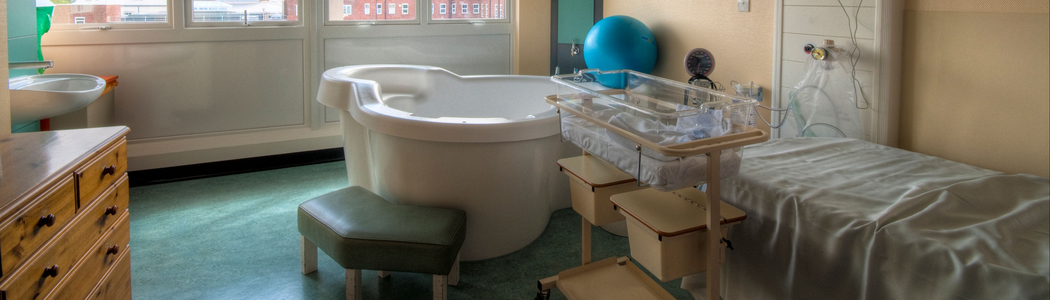
A water birth is when your baby is born under water. This often means giving birth in a pool or bathtub. Some hospitals have special pools for water births.
Why choose a water birth?
There are some advantages to a water birth.
Labouring in warm water can be relaxing and may provide effective pain relief. You are also less likely to need an epidural for pain management if you have a water birth.
Other benefits of water birth may include:
- a shorter labour
- increased blood flow to your baby
- reduced chance of needing an episiotomy
- reduced chance of pain and haemorrhage after giving birth
If you are considering a water birth, it’s important to talk to your midwife or doctorfirst. They can talk to you about the benefits of water birth and any chances of harm, so you can make an informed choice.
This information can be included in your birth plan. However, it’s important to remember that things don’t always go to plan.
Who can safely have a water birth?
Most doctors and midwives agree that water births are safe if:
- you’ve had a low-risk pregnancy and are healthy
- you’ve reached 37 weeks of pregnancy
- you’re having only one baby (not twins or more) and your baby is positioned head down
- you’re not excessively overweight — this is so the hospital staff can easily move you out of the water in an emergency
- your labour is progressing normally
You may need to leave the water in certain situations, such as if:
- medical staff are concerned about a change in your baby’s heart rate
- if you experience complications during labour
You can ask your doctor or midwife for more information about the policies at your hospital or birthing centre. Although birthing in water may not be an option for you, you may be able to consider water immersion during labour — such as a shower or bath.
Are water births safe?
While further research is needed on water births, there is no evidence that they place you or your baby at extra chance of harm.
A water birth may increase the chance of:
- you getting an infection
- you or your baby getting too hot
If your pregnancy is considered high-risk, you might not be offered the option of a water birth.
If I have a waterbirth, can my baby drown?
There’s no chance of your baby breathing before they are brought up out of the water if:
- your labour and birth are uncomplicated
- you receive the right support from your midwife or doctor
Your newborn baby’s body has several protective features that prevent them from breathing in while they are underwater.
While your baby is in your uterus (womb), they do not breathe. They get all their oxygen through the umbilical cord from the placenta.
Your baby also has a reflex that makes them swallow liquid rather than breathe it in. This helps them with breastfeeding.
Can I have a water birth in hospital?
It’s a good idea to check in advance if your hospital or birthing centre offers water birth facilities.
Hospitals that offer water births are equipped to deal with any problems that might arise during the birth.
If you are considering using water during labour and/or birth, discuss this with your midwife or doctor ahead of time.
Can I have a water birth at home?
If you would like to have a water birth outside of hospital, such as in your home, you should:
- have 2 midwives and an additional person present for support
- choose a safe inflatable birth pool that can be easily removed from if you have a complication
Resources and support
Speak to your midwife or doctor about water birth and using water during labour and/or birth.

Speak to a maternal child health nurse
Call Pregnancy, Birth and Baby to speak to a maternal child health nurse on 1800 882 436 or video call. Available 7am to midnight (AET), 7 days a week.
Learn more here about the development and quality assurance of healthdirect content.
Last reviewed: June 2024